
What is No Income Verification Private Mortgage?
A no income verification private mortgage usually means a low-doc or alternative-documentation scenario, not lending with no checks. A lender may consider property security, business purpose, bank statements, BAS, accountant information, contracts, lease income or sale/refinance evidence instead of standard payslips or full financials.
This guide is written for Australian business borrowers and brokers. It focuses on practical lender assessment factors, realistic timing, documents, risks, costs and exit strategy rather than guaranteed outcomes or unsupported claims.

Who this may suit
This type of finance may suit borrowers with property security, a defined business or investment purpose, and a credible plan to repay or refinance the loan.
Self-employed borrowers without up-to-date tax returns.
Business owners between contracts with property equity and a clear exit.
Applicants relying on sale proceeds, refinance or project completion rather than PAYG income.
Borrowers who can provide alternative evidence of capacity or exit.
When it may not suit
Short-term property-secured finance may not suit every borrower. The risk rises where the purpose is unclear, the exit relies on hope, or property would be exposed without a realistic repayment pathway.
- It may not suit if there is no credible way to repay or refinance.
- Low-doc does not remove legal, security or suitability checks.
- Borrowers may pay more for specialist private finance than bank finance.
- Future bank refinance may fail if income evidence is still incomplete.

How it works
The process usually starts with the funding need, then moves through security review, document collection, lender assessment, legal documents and settlement if conditions are satisfied.
Explain why standard income documents are unavailable.
Provide alternative documents that show trading, assets, contracts or exit.
Confirm property security and existing debt.
The lender assesses risk based on security, purpose and repayment pathway.
Legal documents are reviewed before settlement if approved.

Alternative documentation checklist
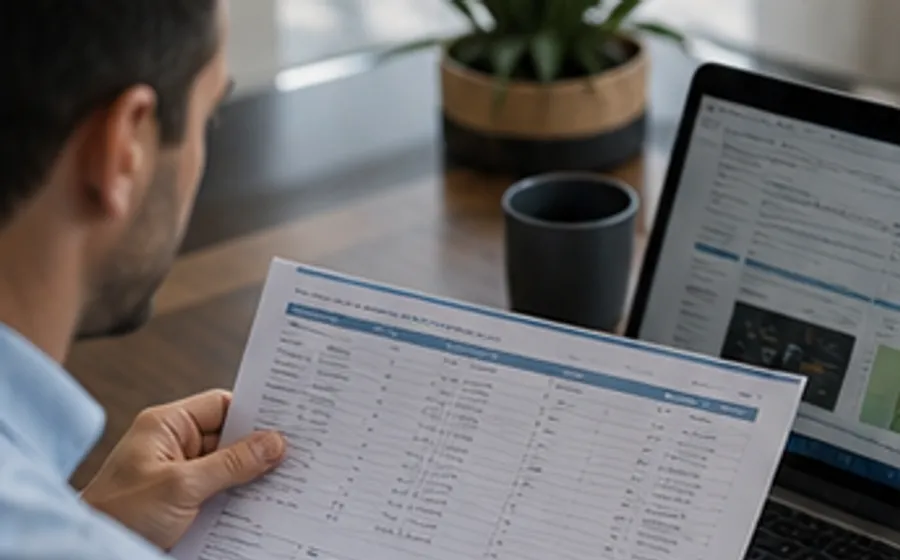
Checklist of alternative documents such as business bank statements, BAS, accountant letter and exit evidence.
Bank statements, BAS or accountant letter
Property, mortgage and asset/liability details
Sale, refinance, lease or contract evidence
Alternative documents help tell the story when standard income evidence is unavailable.
What lenders usually assess
Lenders usually assess the security, borrower, loan purpose, existing debt, urgency and exit strategy. A stronger file explains both why funds are needed and how the loan will be repaid.
Property value, equity and security position.
Alternative evidence of business activity, lease income or asset position.
Exit strategy that does not rely on unsupported assumptions.
Borrower credit conduct and existing debt obligations.
Purpose and suitability of short-term private mortgage funding.

Documents commonly requested
Document requests vary by lender and scenario, but the borrower should be ready to prove identity, property ownership, existing debt, business purpose and exit evidence.
- Business bank statements, BAS or accountant letter where available.
- Asset and liability statement.
- Contracts, invoices, lease income evidence or sale contract.
- Mortgage statement and property details.
- Refinance correspondence or exit evidence.

Costs, risks, and exit strategy
The safest short-term finance file is not only fast; it also has a realistic exit, transparent costs and a borrower who understands the consequences if repayment is delayed.
- Check whether missing income evidence increases cost or conditions.
- Do not assume a bank will refinance later unless income documents will be ready.
- Map the repayment source before accepting the loan.
- Seek financial and legal advice if property is at risk.

Alternatives to low-doc private mortgage
Alternatives should be compared before taking property-secured finance, especially where a slower or lower-risk option can solve the same problem.
| Option | Why it may matter |
|---|---|
| Option 1 | Prepare updated financials and apply for bank or non-bank finance. |
| Option 2 | Use lease income, sale proceeds or debtor finance where more directly relevant. |
| Option 3 | Consider a smaller facility matched to a confirmed exit. |
| Option 4 | Delay borrowing until the documentation gap is resolved. |

Hypothetical example: self-employed borrower
The scenario below is hypothetical and simplified. It shows how a borrower might think about purpose, security and exit without implying approval or a particular outcome.
A self-employed borrower has strong recent business bank statements but delayed tax returns. They need short-term business funding secured by property and expect repayment from a contracted sale. A private lender may assess alternative documents, but still checks security and exit.

Frequently asked questions
Does no income verification mean no checks?
No. Lenders still assess security, purpose, exit strategy, borrower risk and legal requirements.
What documents can replace payslips?
Business bank statements, BAS, accountant letters, lease income, contracts, invoices, asset statements and sale or refinance evidence may help.
Can self-employed borrowers apply?
They may be considered where the security and exit are suitable and alternative documentation supports the application.
Will I be able to refinance to a bank later?
Only if the bank's requirements can be met at that time. Plan what documents will be available before relying on bank refinance.
Is this consumer lending?
These pages discuss business or investment-style private finance. Suitability and legal character depend on the actual transaction.
What is the biggest risk?
Borrowing without a supported exit, especially where income evidence remains unavailable at maturity.
Talk through the scenario before you commit
If the timing, security position or exit feels complex, send the details through the borrowing-power form or call the team before making a decision.
Important finance disclaimer
This information is general in nature and does not take into account your objectives, financial situation, or needs. Finance is subject to lender assessment, security, valuation, legal documentation, fees, and suitability checks. Seek independent legal, financial, and tax advice where appropriate.